
Subscribe to our Newsletter
Stay updated with our latest news, inspiring stories, and impactful projects. Subscribe now for updates and insights
In Pangani, climate change is not an abstract debate. It shows up in unpredictable rainfall, declining fisheries, land conflicts, and shrinking livelihoods.
For over two decades, UZIKWASA has worked alongside communities here on gender justice, HIV/AIDS, and violence prevention. But environmental degradation has become impossible to separate from those struggles, and so UZIKWASA did not launch isolated environmental projects. It applied the same reflective leadership and participatory approaches that communities already trust for climate resilience.
People first, not technical solutions.
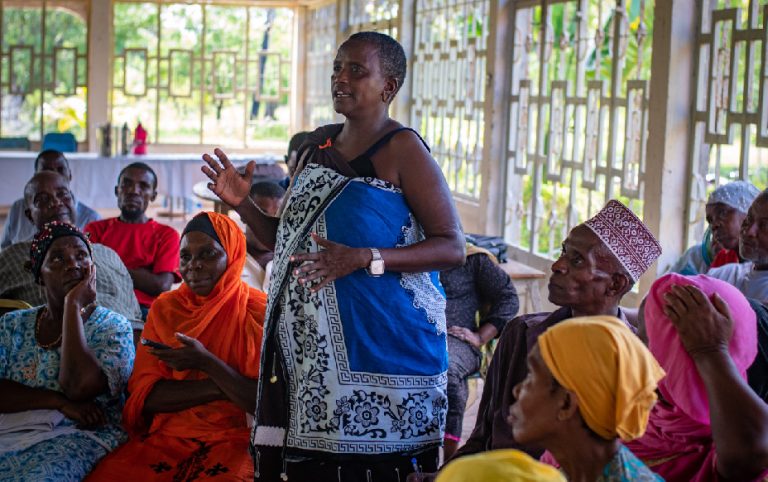
Through leadership training, community dialogue, and multimedia engagement, local leaders, women's groups, youth networks, and environmental committees are examining the norms and governance gaps shaping environmental outcomes.
Pangani FM as climate infrastructure. In partnership with IUCN and CAN Tanzania, the community radio station has become a district-wide climate information hub hosting live discussions on mangrove restoration, sustainable fisheries, blue economy livelihoods, clean energy, and climate-smart agriculture. Multiple organisations, including Jane Goodall Institute and IUCN, now use it to reach communities directly.
Bridging indigenous knowledge and science. Local weather forecasters engaged alongside Tanzania Meteorological Authority experts gained formal recognition, and farmers reported better planning, stronger yields, and greater resilience. Communities are treated not as beneficiaries, but as knowledge holders.
Women leading adaptation. Twelve village environmental committees now operate across Pangani, each with gender-responsive climate action plans. In Bweni, women-led groups produce charcoal briquettes from organic waste, protecting forests while generating income.
Practical demonstrations that shift behaviour. Over 600 energy-saving cookstoves produced. Drip irrigation in five schools. Pangani's first electric three-wheeler was introduced, and the uptake of electric motorcycles in the district has since grown.
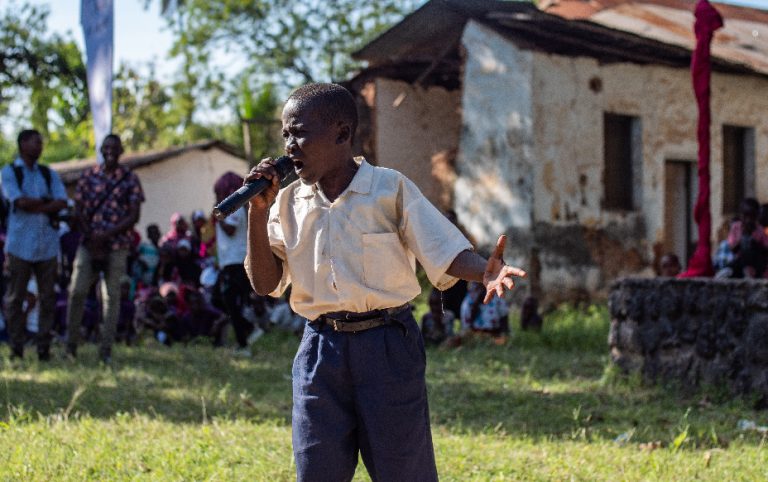
Youth driving accountability. Twenty-four young people trained in waste innovation gave rise to Ng'arisha Pangani, a youth task force holding communities accountable for environmental practices.
Governance beyond the village. District-level climate training with department heads created a roadmap linking grassroots action to institutional decision-making because community voices disconnected from governance rarely sustain change.
The lesson from Pangani is clear: lasting climate action does not begin with awareness campaigns. It begins when communities are empowered to lead.
Gender justice, indigenous knowledge, community media, reflective leadership, and inclusive governance are not add-ons to conservation; they are the foundation of it.
UZIKWASA's 2025–2029 strategy formally embeds climate and gender justice across all priorities. Because in the end, climate justice and social justice cannot be separated.


Stay updated with our latest news, inspiring stories, and impactful projects. Subscribe now for updates and insights